
A feature list that keeps growing
Every conversation adds another “must-have”, and the first release keeps moving further away.
Custom SaaS development
Most software ideas grow faster than the budget, and many are built before anyone checks what users actually need. We help founders and growing businesses turn an idea into a product customers can sign up for: starting small, testing with real users and building in steps.
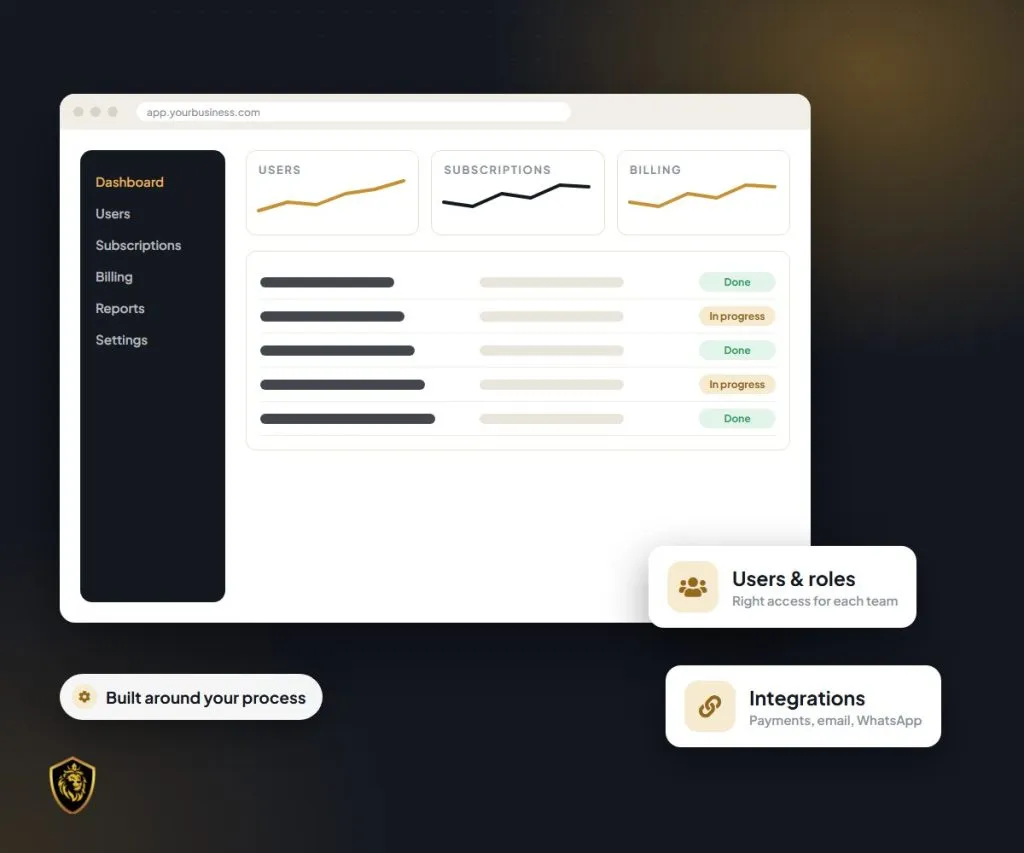
At a glance
Where you are now
How we do it
What you get
Does this sound familiar?
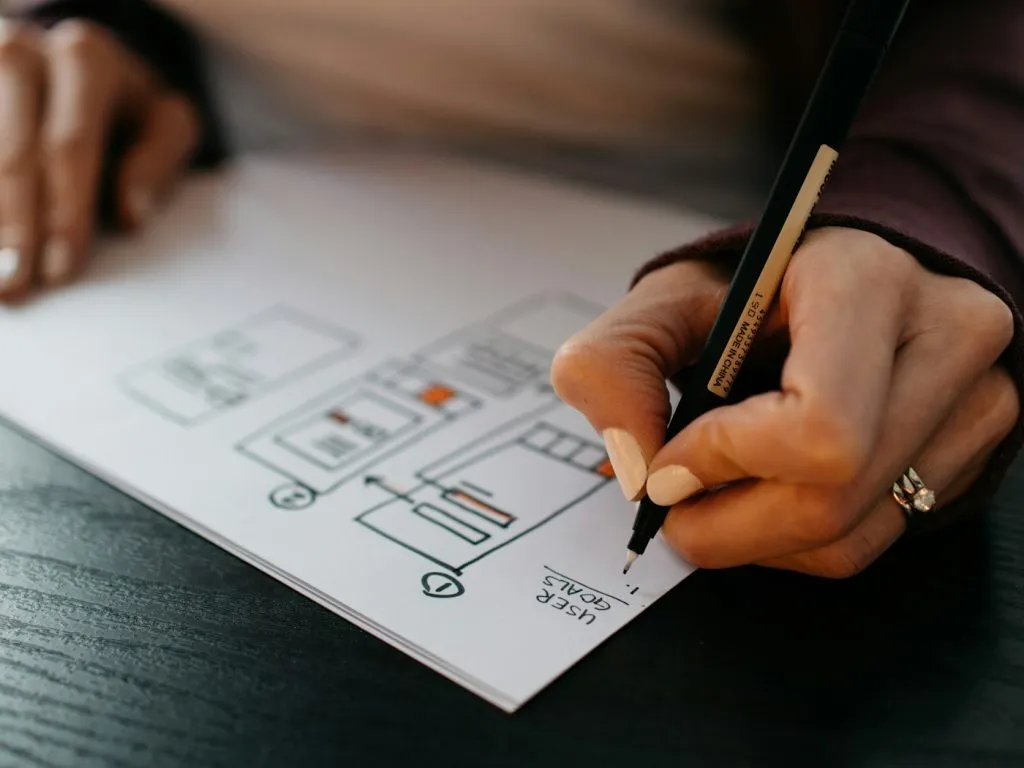
You can see the product clearly: the problem it solves, the people who would use it, maybe even the screens. What is harder is deciding what to build first, how to build it so it lasts, and how to find out early whether people will use it.
If any of the following sounds familiar, you are in good company:
Every conversation adds another “must-have”, and the first release keeps moving further away.
The product is being shaped by opinions rather than by people who would pay for it.
Accounts, roles, billing and data haven’t been planned, and they are hard to change later.
Quotes vary widely because nobody has defined what the first version includes.
Every update breaks something, or the original developer is no longer available.
Software is expensive to change once it is built on the wrong assumptions. The safest products start with a clear problem, a small first version and early feedback from real users.
These are patterns founders often describe to us. They are not a verdict on your idea; that needs a proper conversation about it.
The real cost
The biggest cost is rarely the code itself.
Months of development can go into features users don’t need.
A first version that keeps growing reaches users later, and they could have shaped it sooner.
Weak foundations for accounts, permissions or billing are costly to fix once customers depend on them.
Early users, partners or investors lose patience with a product that is always nearly ready.
Why it happens
They are common because enthusiasm moves faster than planning.
01
The problem feels obvious to the founder.
Better: Talk to the people who would use and pay for the product before committing to a large build.
02
Every feature seems essential.
Better: Define the smallest version worth launching, and list clearly what can wait.
03
Accounts, roles, billing and data feel like details.
Better: Plan them first, because they are hard to change once customers depend on them.
04
It feels safer to launch only when everything is finished.
Better: Plan early releases so real users can test the product before large investments.
05
Launch feels like the finish line.
Better: Set up hosting, monitoring and an iteration plan based on user feedback from day one.
What good looks like
Good product development is a series of small, deliberate steps, each one informed by the last.
Before
Without a clear plan
After
With The Lion Kingdom
No one can guarantee product-market fit or commercial success. We can make the build disciplined and help you learn early.
How we help
We help founders and growing businesses turn a software idea into a product customers can sign up for and pay for. We start small, test with real users and build in steps.

Interviews with target users, planned with your input.
The smallest version worth launching, and what can wait.
A recommended technology and an estimate for the first release.
User accounts and permissions planned and built first.
The features that make the first version useful.
Subscription or payment integration where the product needs it.
An admin area for your team to manage users and data.
Hosting, deployment, basic analytics and error monitoring.
A plan for the next releases, based on user feedback.
Typical scope. The exact deliverables are agreed in your written proposal, and not every item is part of every engagement. Technology is chosen per project and agreed in the proposal (for example PHP/WordPress-based platforms, JavaScript frameworks, or other stacks that suit the product).
Related work
We plan and design interfaces in Figma before any development starts.
Why work with us
The Lion Kingdom was founded in Nagpur in October 2021 by Pavan Khobragade, who leads the business.
Scope, timeline, cost and payment terms are agreed in a written proposal before work starts.
Once the agreed project fees are paid, you own the deliverables created specifically for your project. Pre-existing tools and third-party software keep their own terms, as set out in your project agreement.
You see progress regularly and can change priorities between stages.
Who it is for

If building now isn’t the right next step, we will say so and suggest how to test the idea first.
How we work
01
We learn about your idea, your users and what you already know about the market.
02
We prioritise features, define the MVP scope and recommend a technical approach.
03
We build the foundations first, then the core features, with regular reviews.
04
We set up hosting and monitoring and release early versions for feedback.
05
We plan the next steps with you based on how people actually use the product.
The exact steps depend on your starting point and the agreed scope, and are set out in your proposal.
FAQ
It depends on scope. After discovery we give you a written timeline for the first release rather than a generic estimate.
It depends on the scope of the first version and the technology. Discovery comes first; then we send a written proposal with the scope, timeline and cost.
Once the agreed project fees are paid, you own the deliverables created specifically for your project, such as its custom code and designs. Tools and components we built before your project, and reuse across client work, are not transferred to you. Open-source and third-party software keeps its own licence. Your signed project agreement sets out the final ownership terms.
Technology is chosen per project and agreed in the proposal, for example PHP/WordPress-based platforms, JavaScript frameworks, or other stacks that suit the product.
Often, yes. We start with a review of the code, hosting and documentation, then recommend next steps.
A decision-maker available for weekly reviews, access to target users for early feedback, and your brand assets and any existing designs or data.
No. Success depends on the market, pricing, sales and timing. We help you test early and build carefully so you learn before investing heavily.
Related services
Software for your own team: CRMs, portals, dashboards and integrations that fit how your business works.
Fast, accessible business websites on WordPress or custom code, built to turn visitors into enquiries.
AI added to everyday workflows, such as drafting, sorting and summarising, with human review where it matters.
Book a free 30-minute introductory strategy call to talk through your product, your users and what a first version could include. We are a founder-led team in Nagpur, and we agree the scope in writing before any work starts.